
GLP-1 EZ
RX‑Free. Wallet‑Friendly.
-
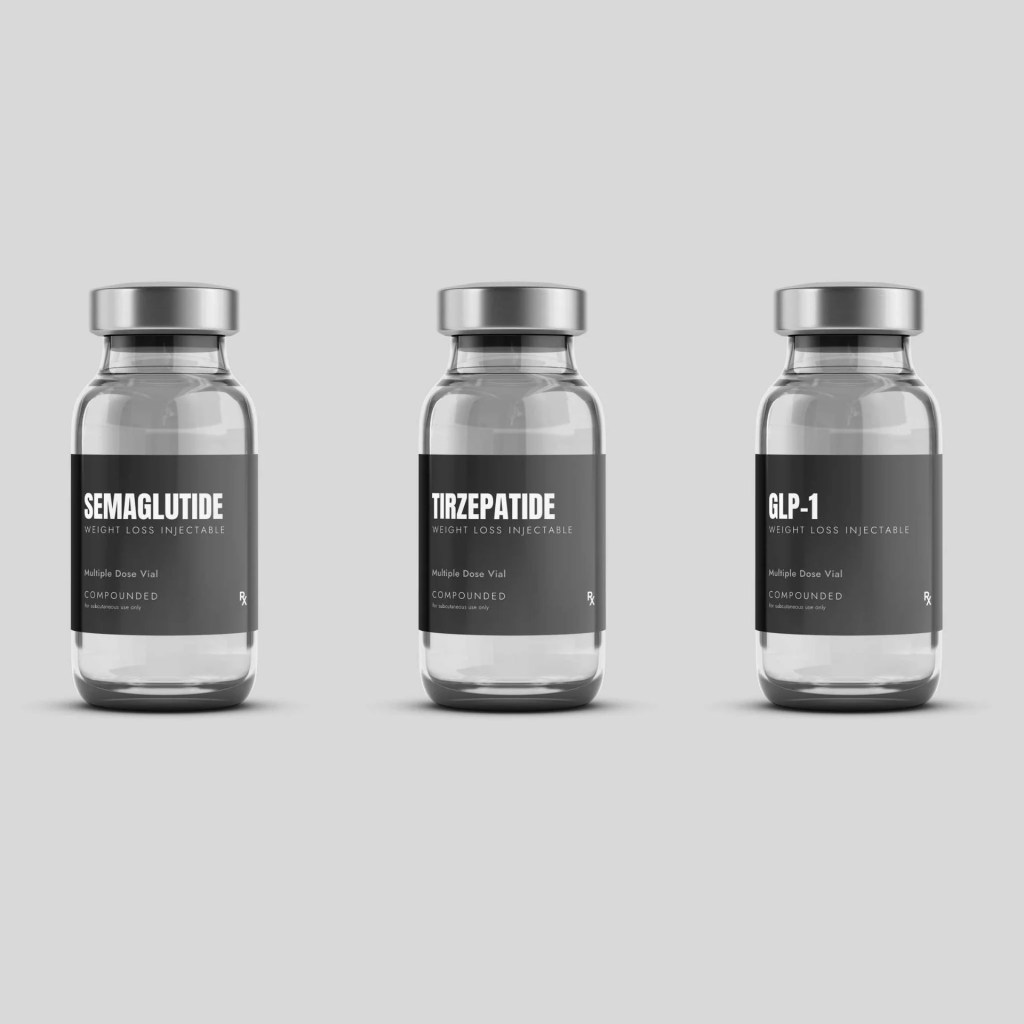
Think Ozempic ® and Zepbound ® are forever locked behind four-figure pharmacy tabs and doctor gatekeeping? Think again. Exactly the same active molecules—semaglutide and tirzepatide—are sold online every day as research-grade peptides for a fraction of the retail price, shipped straight to your doorstep with no prescription required.
Welcome to the world of GLP-1 science, where an entire 10 mg vial often costs less than one week of a branded pen. Scroll down to learn how reputable labs produce, test, and label these compounds, how to spot the snake-oil hype, and how researchers are leveraging affordable peptides to replicate the headline-grabbing results—without emptying their wallets.
Why Look Beyond the Pharmacy? Since semaglutide (Ozempic/Wegovy) won FDA weight-loss approval in 2021—and tirzepatide (Zepbound) followed—the price of branded injector pens has hovered near $1,000 per month. Yet the identical active ingredients are manufactured in bulk as research-grade peptides and sold online for a fraction of that cost. A single 10 mg vial, enough for weeks of typical dosing, can be purchased for less than $100. For budget-conscious investigators and bio-hackers, that’s a game-changer.
The Vendor Spectrum (2025 Snapshot)
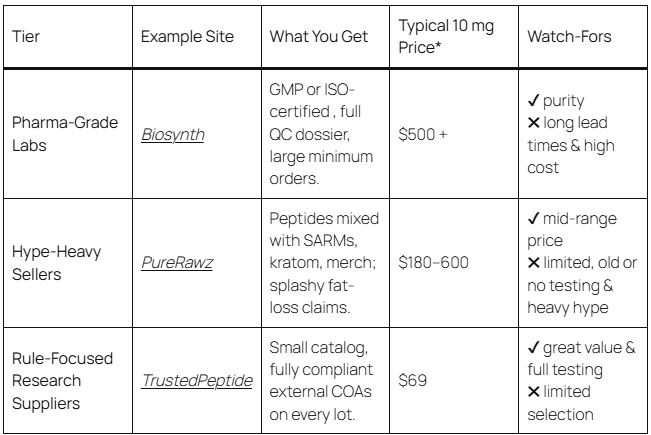
Vendor Websites:


____________________________________________
What You’ll Need To Get Started
1. Peptide vials (e.g., Semaglutide 10 mg, Tirzepatide 10 mg, or the newer Retatrutide)
2. Bacteriostatic water (room-temperature storage)
3. 1 mL insulin syringes (drawing & injecting)
4. 3 mL syringes (adding water)
5. Alcohol swabs (wipe every rubber stopper & injection site)
Total starter kit: ≈ $40–60—enough consumables for a year.Quick Guide for Reconstituting and Storing GLP-1 Peptides
Reconstitution:
- Gather Supplies: Sterile vial of GLP-1 peptide, bacteriostatic water (BAC water), alcohol wipes, syringe.
- Calculate Volume: Use this calculator to determine the correct amount of BAC water needed based on your peptide dosage and vial size.
- Cleanliness: Wipe the vial tops (peptide and BAC water) with alcohol wipes. Use a sterile syringe.
- Add BAC Water: Slowly inject the calculated amount of BAC water into the peptide vial, aiming the stream down the side of the vial to avoid foaming.
- Mix Gently: Swirl or roll the vial gently to dissolve the peptide. Do not shake vigorously. Allow at least 10 minutes for peptides to fully dissolve.
- Check Clarity: Ensure the solution is clear and free of particles before use.
Storage:
- Unreconstituted: Store lyophilized (dry) GLP-1 peptides in a cool, dry place (2–8°C, refrigerator preferred) away from light.
- Reconstituted: Store in a refrigerator (2–8°C) for up to 4–8 weeks, depending on the peptide and BAC water used. Check specific peptide guidelines.
- Handling: Always use sterile techniques and avoid contamination. Discard if the solution appears cloudy or discolored.
Practical Titration Guidelines (Reference Only)
Below are the standard clinical step‑up schedules used with the branded injector pens for semaglutide (Wegovy) and tirzepatide (Zepbound). They show how prescriptions typically rise every four weeks, but dose needs vary wildly—many people achieve excellent results on the early, lower tiers and never escalate further.
Time on Drug Wegovy® (semaglutide) Usual Weekly Dose Zepbound™ (tirzepatide) Usual Weekly Dose Month 1
(Weeks 1–4)0.25 mg start 2.5 mg start Month 2
(Weeks 5–8)0.5 mg 5 mg Month 3
(Weeks 9–12)1 mg 7.5 mg Month 4
(Weeks 13–16)1.7 mg 10 mg if needed Month 5 +
(Week 17 onward)2.4 mg full label dose 12.5 mg and later 15 mg if needed Key points to remember
- Individual response > label dose. Clinical trials show some users hit their weight‑loss or glucose goals at mid‑range doses (e.g., 0.5 mg semaglutide or 7.5 mg tirzepatide) and never need to climb higher.
- Side‑effect management drives pacing. Nausea, fullness, or fatigue often improve if you hold your current dose an extra 4‑8 weeks—or drop back one step—before retrying an increase.
- Smaller research vials = finer control. When you buy peptides for research, you’re not locked into factory‑preset pen sizes; you can titrate in any increment that suits your protocol.
- Plateau? Adjust thoughtfully. If weight loss stalls for six weeks and you tolerate the current dose well, a modest bump (e.g., 0.25 → 0.5 mg) is reasonable—jumping straight to the top dose rarely doubles the results.
- Document everything. Keep a log of date, dose, body‑weight change, glucose markers, and side‑effects to guide future adjustments.
To learn more about how to reconstitute and inject peptides, just watch the video below. It’s that easy!
Disclaimer: The information and products presented on glp1ez.com are for laboratory research purposes only.
None of the compounds referenced or linked on this site—including, but not limited to, semaglutide, tirzepatide, retatrutide, cagrilintide, or any other GLP-1 or GIP analogues—have been evaluated, approved, or endorsed by the U.S. Food and Drug Administration (FDA) for human use.User Responsibility: By accessing this site or purchasing through links provided here, you acknowledge that you are a qualified researcher or laboratory professional familiar with safe-handling protocols and assume all responsibility for proper storage, handling, and compliance with applicable regulations.
Not Medical Advice: Content on this website is provided for educational and informational purposes only and should not be construed as medical, diagnostic, or therapeutic advice. Always consult a licensed physician or qualified health-care professional before making any health-related decisions.
No Claims: Statements regarding the benefits, efficacy, or safety of any research compound have not been evaluated by the FDA. These products are not intended to diagnose, treat, cure, or prevent any disease or medical condition.
Research-Use Only: All peptides, chemicals, and reagents discussed or offered through external vendors are sold exclusively for in vitro research and analytical testing. They are not for human or veterinary consumption, nor for use in food, drugs, cosmetics, or medical devices.

